
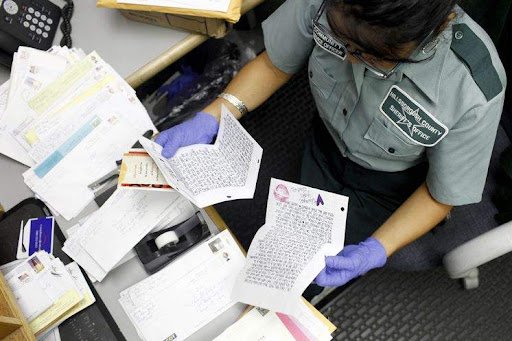
If mail is a lifeline in prison, inmate-to-inmate correspondence can look like an extra line staff can’t control. Many systems block it by default, even when such correspondence seems harmless, like two incarcerated individuals trading book recommendations.
At the same time, a flat ban can cut off something valuable: steady, pro-social connection with someone who actually understands confinement. This is where the debate over inmate correspondence policy gets tricky, because both sides have real points.
What follows is a plain-language look at why prisons restrict inmate-to-inmate pen pal correspondence, then a practical case for allowing it under tight guardrails.
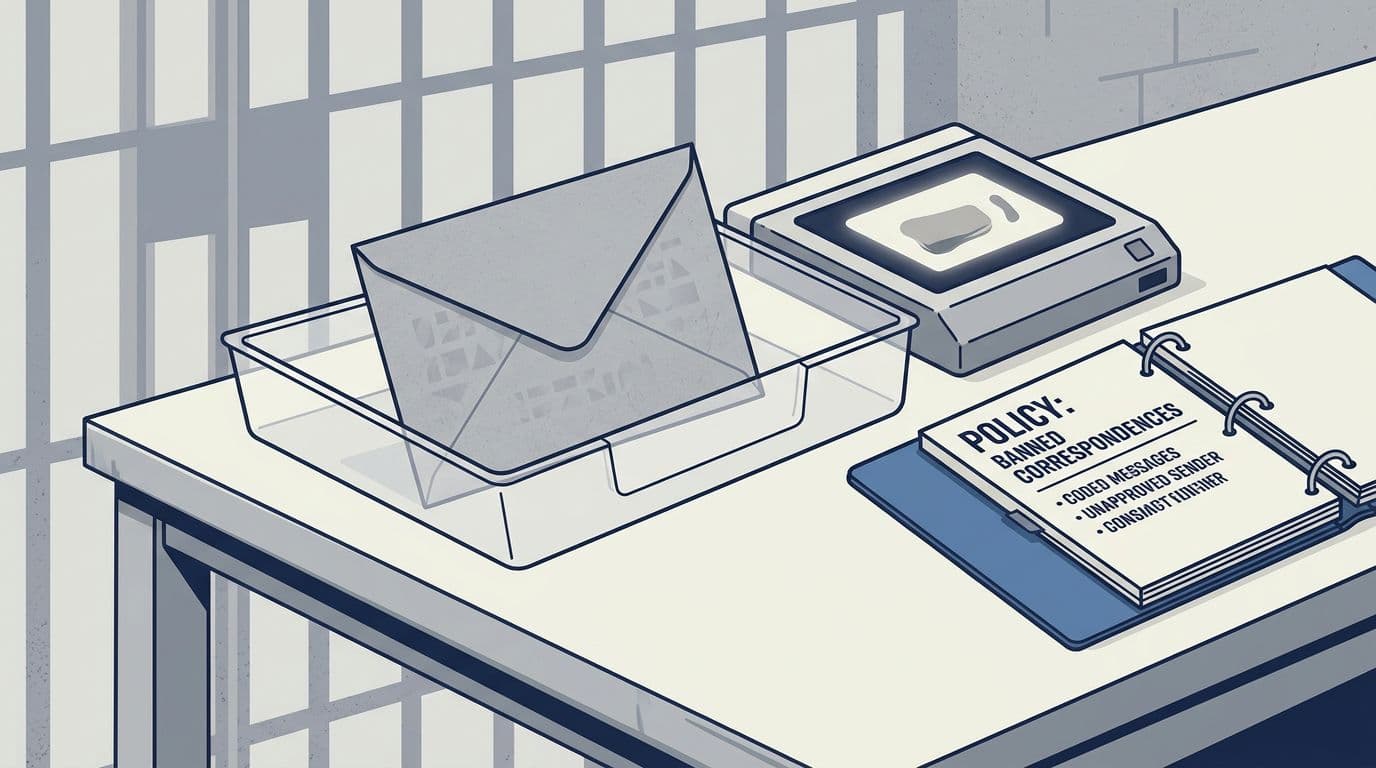
Most bans aren’t about disliking friendship. They’re about worst-case outcomes in a high-risk jail facility with limited staff time.
1) Communication can support coercion, threats, or gang activity.
When two incarcerated people can write freely, staff worry about intimidation across units, facilities, or even state lines. A letter can carry pressure, recruiting, or instructions. Even when staff read mail, context matters, and context is hard to prove.
2) Separation orders and safety plans get harder to enforce.
Facilities separate people for many reasons: co-defendants, prior assaults, domestic violence links, or protective custody needs. A blanket “no inmate-to-inmate” rule is an easy way to avoid accidental contact.
3) It can become a channel for fraud and exploitation.
Pen pal culture can include kindness, but it can also include scams. Administrators worry about “business” relationships, manipulation for money via money orders, or pressuring others to route funds or favors.
4) Staff workload and documentation requirements add up fast.
Every exception needs verification, logging, monitoring, and follow-up when something goes wrong. In a mailroom already stretched, adding a special category can feel impossible.
5) The broader mail environment is under pressure from contraband.
Even though inmate-to-inmate letters don’t bring drugs in by themselves, many mail restrictions are shaped by today’s contraband reality. Several systems have tightened mail rules or moved to scanned mail because substances have been hidden in paper and paperback books. Policies often require paperback books to come from an established publisher. Coverage of cases like alleged drug-laced book mailings into South Carolina prisons shows why mail has become a security flashpoint for many agencies (CBS News reporting on the South Carolina case). In that climate, policy tends to get stricter, not more flexible.
6) Systems are already cutting back on mail access generally.
Some advocates argue the response has gone too far, pointing to a national trend toward limiting or digitizing mail and the side effects on family bonds and due process (Vera Institute’s overview of prisons banning mail). In other words, inmate-to-inmate mail often gets swept into a wider crackdown on prohibited items, even if its risks are different.
Bottom line: bans are usually a management tool. They lower uncertainty, even if they also reduce healthy contact.
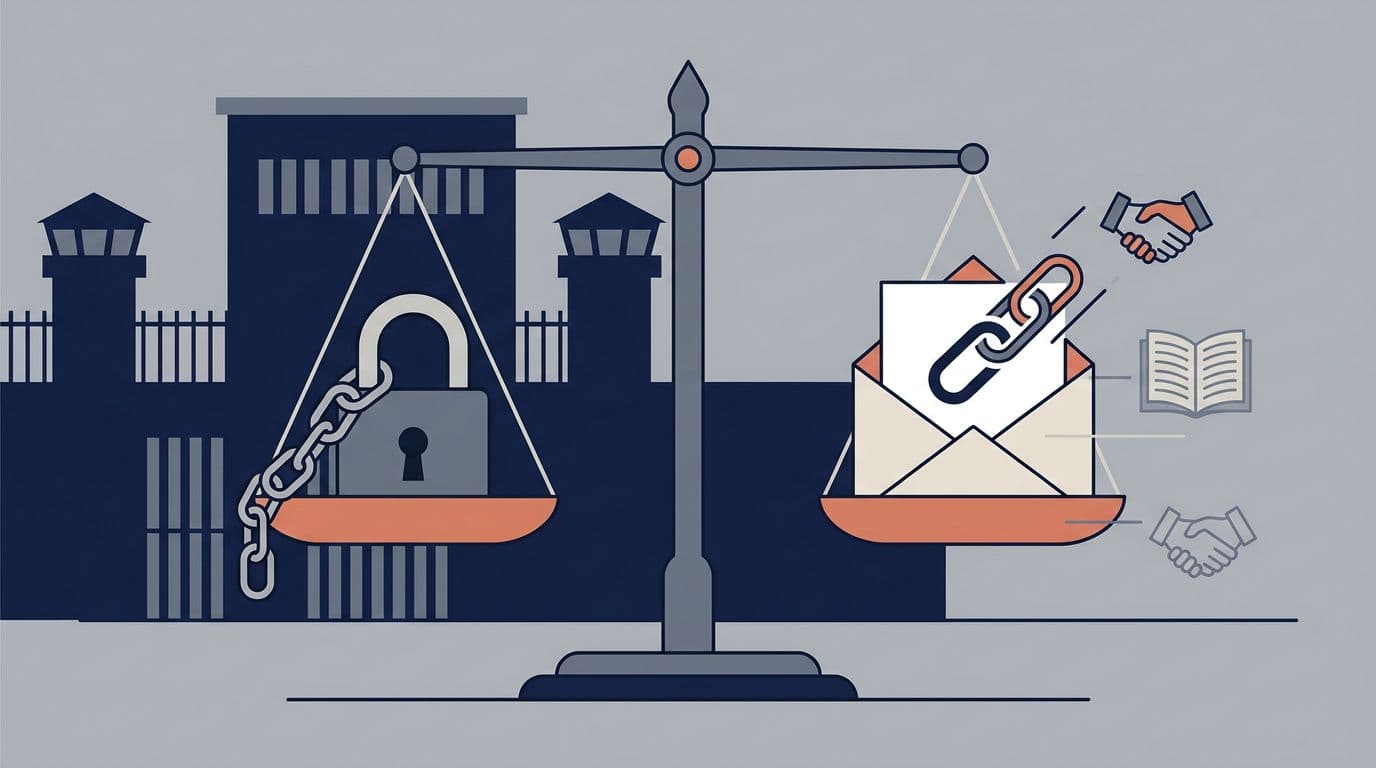
A ban can be defensible, but it’s not the only option. A controlled exception can serve rehabilitation without ignoring safety.
First, pro-social connection is a behavior management tool.
People who feel seen often act differently. A steady pen pal style exchange, which requires writing supplies, can support routine, literacy, and emotional control. It’s not therapy, but it’s a stabilizer. For some, it’s also practice for the kind of respectful communication they’ll need outside.
Second, prisons already recognize that some correspondence has “socially useful” value.
The Federal Bureau of Prisons states that it encourages correspondence directed to socially useful goals, while still allowing inspection and limits (BOP Program Statement on correspondence). That framing matters. It treats mail as a tool, not a privilege that must shrink to the smallest possible size.
Third, other systems manage communication with structured rules, not only bans.
For example, England and Wales maintain detailed rules on prisoner communication services, mixing access with monitoring and controls (HMPPS instruction on prisoner communication services). The details differ from U.S. practice, but the approach is familiar: allow contact, then manage risk.
Finally, today’s pen pal platforms mostly connect incarcerated people with the outside.
Sites like PenPals.Buzz exist because outside correspondence often works. Still, some incarcerated people have no safe family network for personal mail beyond legal matters. A vetted inmate-to-inmate correspondence option can fill part of that gap, especially for people in long-term custody who age out of the conflicts of early incarceration.
A total ban is simple to run, but it also blocks the low-risk letters that could support stability and growth.
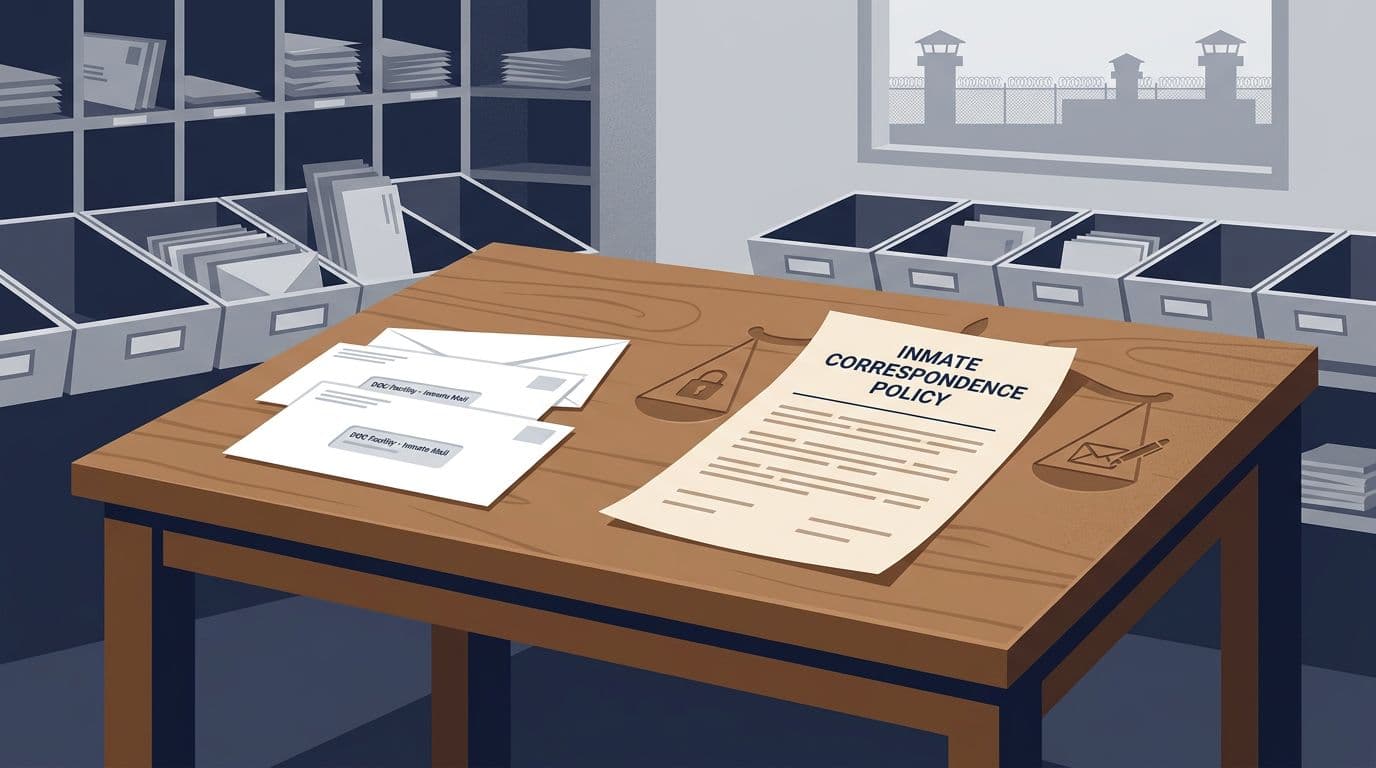
A workable approach looks less like “open mail for everyone” and more like a narrow program with clear off-ramps, separate from legal mail handled through the law library. Federal rules already describe inmate-to-inmate correspondence as something that can be permitted when criteria are met (28 CFR § 540.17). Many states also spell out correspondence rules in detailed directives for jail facilities, including restrictions on prisoner-to-prisoner mail and how exceptions work (Michigan Department of Corrections mail policy directive, effective 2026).
Here’s a policy template that fits those realities without offering loopholes.
| Risk concern | Safeguard that addresses it |
|---|---|
| Coercion, harassment, or gang coordination | Pre-approval by a designated official, with documented reasons for approval or denial |
| Unsafe contact between separated people | Automatic denial for co-defendants, documented separation orders, active protective custody conflicts, or no-contact directives |
| Hidden requests for prohibited conduct | Mail remains inspectable and readable under normal facility rules, with staff training on escalation and reporting |
| Excessive workload | Limit to one approved inmate correspondent at a time, with periodic review and a cap on letter frequency |
Approval should require:
Operational limits should include:
Every decision should generate a short record: request with return address and booking number, review notes, decision, and end date. If denied, provide a brief reason category, return to sender protocols, and a basic appeal route (to a higher-level designee). That keeps the process fair and defensible.
Allowing inmate-to-inmate correspondence will cost something, mostly in mailroom personnel time at central processing centers. If a system already scans or photocopies mail with an electronic system, the marginal cost may be lower, but review time still exists, especially while upholding access to courts for indigent inmates. Cost control steps can include a limited pilot at one facility, tight eligibility rules, and a quarterly audit of incidents, staff hours, and outcomes (like rule compliance and revocation rates). Avoid pay-to-message models that shift costs to families.
Rules vary by state, facility, custody level, and individual case factors. Always check the current Department of Corrections policy and the facility handbook before assuming inmate-to-inmate mail is allowed.
Is inmate-to-inmate mail ever allowed in the U.S.?
Yes, in some systems via U.S. Postal Service, but usually only with approval and restrictions. Generally, it is only allowed between immediate family members.
How does monitoring work?
Facilities typically inspect and may read non-legal mail with mailing address and return address verification. Some systems also scan or copy letters as part of contraband control.
A blanket ban on inmate-to-inmate correspondence comes from real concerns: safety, separation orders, and limited staff capacity. Still, a carefully designed inmate correspondence policy can allow a narrow, monitored exception without pretending risk disappears. The strongest approach is boring on purpose, written criteria, clear limits, fast revocation, and a fair appeal path. If prisons can manage many other kinds of controlled contact, they can manage this one too.