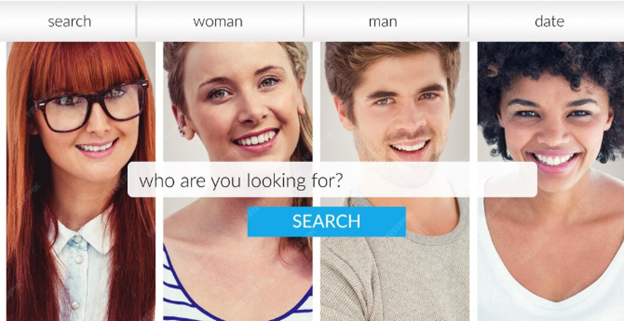
Browsing user profiles to make new friends can feel like shopping, especially when photos show up first on the online platform. Still, meaningful connections (especially with pen pals) aren’t built on a flattering angle or perfect lighting. They’re built on words, consistency, chemistry, and a shared sense of respect.
If you’re using pen pal search filters, think of them like a seatbelt, not a scorecard. The right filters protect your time, your boundaries, and your safety. They also help you find someone who can actually show up for a real exchange, whether that’s email-style messages or handwritten letters.
Looks can be fun to notice, but they don’t tell you how someone listens, or how they handle conflict, or whether they’ll keep writing when life gets busy; these are the qualities that foster meaningful connections.
Most people filter by age, gender, and location first to find penpals, because those are easy. However, the best matches usually come from search parameters that predict day-to-day compatibility and prioritize lifestyle over aesthetics. In other words, filters that answer: Can we realistically keep a conversation going? PenPals.Buzz offers a variety of filters, such as age, gender, sexual orientation, ethnicity, marital status, religion, location, type of crime, and length of sentence. However, you can also search for keywords that might match your interests, such as college, documentaries, gardening, or mexican food, for example. This can help you narrow down your search even further and find someone you will be more likely to relate to when writing letters. But keep in mind, sometimes the best pen pal experiences come from writing someone who is completely different than yourself. A different religion, different upbringing, even someone in a different country can make for a fascinating letter exchange.
Here’s a quick way to sort the filters that matter most. These answers can typically be found by reading each inmate’s profile
| Filter | What it tells you | Why it beats appearance |
|---|---|---|
| Communication style (snail mail, prison email messaging, phone calls). | Whether the format fits both of you | A great photo can’t fix mismatched expectations |
| Reply pace (weekly, monthly, flexible) | How often you’ll hear back | Consistency builds trust |
| Language and fluency level (practice languages) | If you can communicate with ease | Connection needs clarity, not looks |
| Location (distance from you) | Whether replies will lag a lot | Fewer misunderstandings |
| Mutual interests (books, faith, sports, art) | What you can actually talk about | Conversation is the whole point |
| Boundaries and intentions (friendship-only, open to romance, not sure) | What kind of connection is welcome | Prevents pressure and awkwardness |
| Comfort with sensitive topics | Whether you can discuss real life | Emotional safety matters |
Try lines like:
The strongest pen pal connections usually start with shared expectations, not shared aesthetics.
Attraction can be instant, but pen pal trust is slow cooked. Before you send that first message, do a quick screen. This creates a safe environment that’s inclusive and respectful, while still protecting you.
Use this 5-minute checklist:
Looks feel like “data,” but they’re weak data. A photo can’t show emotional control. It can’t show follow-through. It also can’t show curiosity, which is the fuel for long-term letters.
Instead of commenting on appearance (we see hundreds of messages each week saying things like “OMG you’re so hot) try a message that invites depth:
“Hi [Name], I noticed you’re into cooking and drawing. I’m looking for a pen pal who enjoys longer messages and honest conversation. I usually write once a week. If that matches your pace, what’s a small moment recently that made you laugh?”
That message does four things fast: it states pace, sets tone, offers an easy prompt, and helps you stand out from other letters this inmate may be receiving. While many are focused on physical appearance, you can give them something more cerebral.
Sometimes people stop replying due to stress, facility limits, mental health, or life changes. Give it one gentle follow-up after a reasonable wait. Keep it simple: “No pressure to respond, I hope you’re okay.” Then move on to make new friends.
If you want to end the connection, be direct and kind: “I’ve realized I can’t keep up with pen pal writing right now. I’m going to step back. I wish you well.” Clear endings protect both people.
Good pen pals aren’t found by perfect filtering. They’re found by good questions and steady effort. Our online platform gives access to a worldwide community. If you need a wider menu of prompts, check forum discussions or this list of 100 questions to ask your pen pal can help when the page feels blank.
Here are 10 starters tailored to different goals, without assuming romance:
If you’re writing to an inmate using a messaging service such as JPay or GettingOut or Corrlinks, it makes it easier to stay consistent. However, snail mail letters are generally longer, more thorough, and more exciting to read.
Red flags and scams to watch for (even in “friendship” spaces)
Most people on pen pal sites are sincere. Still, scams and manipulation happen, and they often start small. Use spam filtering as a tool for safety.
Look out for:
For a clear explanation of how relationship-style scams work, read Scamwatch’s relationship scam guidance. Even if you’re not looking for romance, the same tactics can show up in “friendship” requests.
The best pen pals feel like a steady lighthouse, not a flashy billboard. Filters work best when they protect your time, safety, and values, helping you find penpals to make meaningful connections, connect with people from around the world, and practice languages, rather than focusing on physical appeareance. That’s why looks don’t deserve the top spot. Start with communication style, pace, boundaries, and shared interests, then let trust build through writing. What kind of letter do you want to receive a month from now, and what kind of person would actually send it to help you make new friends?