
A letter can open a door that a locked cell never could. That idea sits at the heart of Meet’EM, Knock’EM, Keep’EM, a book written by Dinero ThaGreat, an inmate for other inmates who want real, lasting pen pal relationships.
We came to this book expecting dating talk alone, but it offers something wider. Its value sits in the basics of connection, how to start well, how to write with care, and how to keep trust alive over time. It’s available on Amazon in paperback or as an e-book on Kindle, and it speaks to both inmates and people on the outside who want to understand prison correspondence better. That makes it worth a close look.
At its core, this book is about building pen pal bonds that last. The title hints at three stages, meeting people, making a strong impression, and keeping the connection going. That structure gives the book a simple, clear path.
We think that’s one reason the premise works. Prison correspondence can feel fragile at first. A letter may arrive late. Trust may build slowly. Small mistakes can cool a promising bond. Because of that, a book that focuses on steady, respectful communication fills a real need.
The intended audience is clear. Inmates who want better pen pal relationships are the main readers. Still, outside pen pals can also learn a lot from it, especially if they’re new to prison mail and want a more grounded view of what helps a connection last.
What gives this book its edge is the inmate point of view. We’re not reading advice from someone standing at a distance. We’re reading guidance shaped by prison life, daily limits, and the emotional weight of waiting on mail.
That lived experience matters because prison pen pal relationships don’t unfold in a vacuum. Timing, tone, honesty, and patience all carry extra weight when freedom is limited. As a result, advice from someone who knows that reality can feel more plainspoken and believable.
We see value here on both sides of the mailbox. For inmates, the book can help sharpen first letters, reduce avoidable mistakes, and build trust with more care. For outside readers, it can act like a window into what makes prison correspondence work over months, not days.
That broader use matters for PenPals.Buzz readers. Many people join a prison pen pal site looking for friendship, support, or love. This book reminds us that those bonds don’t grow from fantasy. They grow from effort and respect.
The strongest part of this book is its focus on sustainable connection. We didn’t come away with the sense that it pushes cheap charm or flashy lines. Instead, the message feels simple, write like a real person, mean what you say, and keep showing up.
That approach feels useful because prison pen pal relationships often rise or fall on small habits. A kind tone matters. So does honesty about your life, your limits, and your hopes. If a book can help readers avoid fake bravado and mixed signals, it’s doing solid work.
A strong prison pen pal bond grows from steady care, not clever talk.
The early stage of any pen pal bond matters a lot, and this book seems to understand that. First letters need warmth, but they also need balance. Too little effort feels cold. Too much too soon can feel forced.
We like the implied focus on honesty over performance. In prison correspondence, trying too hard can backfire. A good first letter should sound human, not rehearsed. It should share enough to invite a reply, while still leaving room for the connection to grow.
For new writers, that’s helpful advice. It shifts the goal from “How do we impress?” to “How do we start something real?” That’s a better question.
This is where the book’s purpose feels strongest. Lasting pen pal relationships need more than a good opening. They need rhythm. They need patience. They also need respect for the other person’s time, feelings, and life outside the envelope.
We appreciate that this kind of advice pushes against fantasy. Real trust builds slowly, especially when one person lives behind bars and the other doesn’t. A late reply may not mean disinterest. A careful tone may reflect fear, not distance. Because of that, consistency matters more than intensity.
The book’s larger lesson seems clear. Write with care. Stay truthful. Don’t promise what you can’t give. Those habits turn one letter into a friendship, and sometimes into something deeper.
Our favorite part of the book is its directness. The inmate voice gives the message weight, and the focus on sustainable connection feels refreshing. Too much prison pen pal talk online chases drama or romance first. This book points back to the basics, which is smart.
At the same time, some readers may want more detail. We can imagine outside pen pals wanting extra examples of what healthy boundaries look like. Some inmates might also benefit from more sample letter ideas or more guidance for awkward moments, such as slow replies or mismatched expectations.
Still, those limits don’t cancel the book’s value. They simply mean the advice may work best as a mindset guide, not a full handbook for every situation.
If we had to boil the message down to one line, it would be this: lasting prison pen pal relationships grow through honesty, effort, respect, and patience. That’s the heart of the book, and it’s a strong heart.
We like that this takeaway applies far beyond romance. Some people on PenPals.Buzz want friendship. Others want emotional support. Some hope for love. No matter the goal, the same rule holds. Treat the person on the other side of the letter like a full human being, not an escape hatch or a fantasy.
That’s where this book earns its place. It pulls the focus back to character and consistency. In a space where people often chase sparks, it reminds us to build a fire that can last.
Flash fades fast. A thoughtful letter doesn’t.
We’ve seen this lesson play out again and again in prison correspondence. The people who form lasting bonds are rarely the smoothest writers. They’re the ones who reply, listen, remember details, and show care over time. That’s the kind of message this book seems built to support, and it’s a message worth hearing.
This is a worthwhile read for inmates who want better pen pal relationships, and for outside readers who want a more honest view of what makes prison mail work. It’s available on Amazon.com and as an e-book on Kindle.
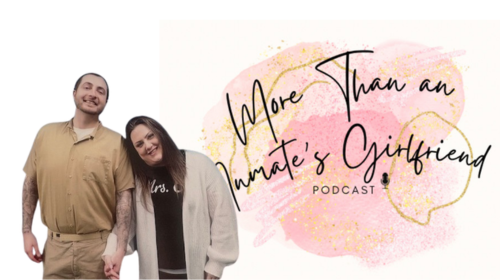
We also recommend hearing the author interviewed on the podcast More than an Inmate’s Girlfriend, released on 3/26/2026. That added context makes the book feel even more personal.
For PenPals.Buzz readers, the message lands cleanly. Good connection starts simple, with one honest letter and the choice to keep showing up.